_edited.png)
_edited.png)


How to Upgrade Your Home Without Wrecking Your Finances

Upgrading to a new home should feel exciting—not stressful or financially risky. Yet many homeowners hesitate to move up because they’re worried about juggling two mortgages, mistiming the market, or making a costly mistake during the transition. The truth is, selling your current home and buying another at the same time doesn’t have to be chaotic. With the right strategy and guidance, you can significantly reduce both financial and logistical risk while making a smart move that supports your long-term goals.
Why Move-Up Buyers Face Unique Challenges
Move-up buyers—homeowners who want a larger, better-located, or more upgraded property—often face a tricky balancing act. You already own a home, which means you likely have equity to use toward the next purchase. But timing the sale and the purchase correctly can feel complicated.
Common concerns include:
Carrying two mortgages at once
Selling too early and having nowhere to go
Missing out on the right home while waiting to sell
Underestimating transaction costs
Without a clear plan, these issues can create unnecessary stress and financial strain. The key is approaching the move strategically.

Step 1: Understand Your Home Equity
Your current home is often your biggest financial tool in the move-up process. Before you begin shopping for a new home, it’s important to determine how much equity you’ve built.
Equity is the difference between your home’s market value and the remaining balance on your mortgage. This equity can be used toward your down payment, closing costs, or even lowering your monthly payment on the new property.
A professional market analysis can help you understand what your home could realistically sell for in today’s market, giving you a clearer picture of your buying power.

Step 2: Align Your Selling and Buying Timeline
One of the biggest fears for homeowners is getting stuck between transactions. Fortunately, there are several strategies that help coordinate the timing of selling and buying.
For example:
Sale contingencies allow you to make an offer on a new home while ensuring your current property sells first.
Lease-back agreements allow you to stay in your home for a short period after selling.
Bridge strategies can help cover the financial gap between transactions.
Each option depends on the local market conditions and your financial goals, which is why planning ahead is essential.

Step 3: Prepare Your Current Home Strategically
Selling your home quickly and at a strong price helps create a smoother transition. That doesn’t necessarily mean investing in expensive renovations.
Often, simple improvements such as:
Decluttering
Light staging
Minor cosmetic updates
Professional marketing
can significantly increase buyer interest and reduce the time your home sits on the market.
A well-prepared listing not only protects your financial position but also gives you confidence as you search for your next home.

Step 4: Focus on Long-Term Value
When upgrading homes, it’s easy to focus only on square footage or aesthetics. However, smart move-up buyers also consider long-term value.
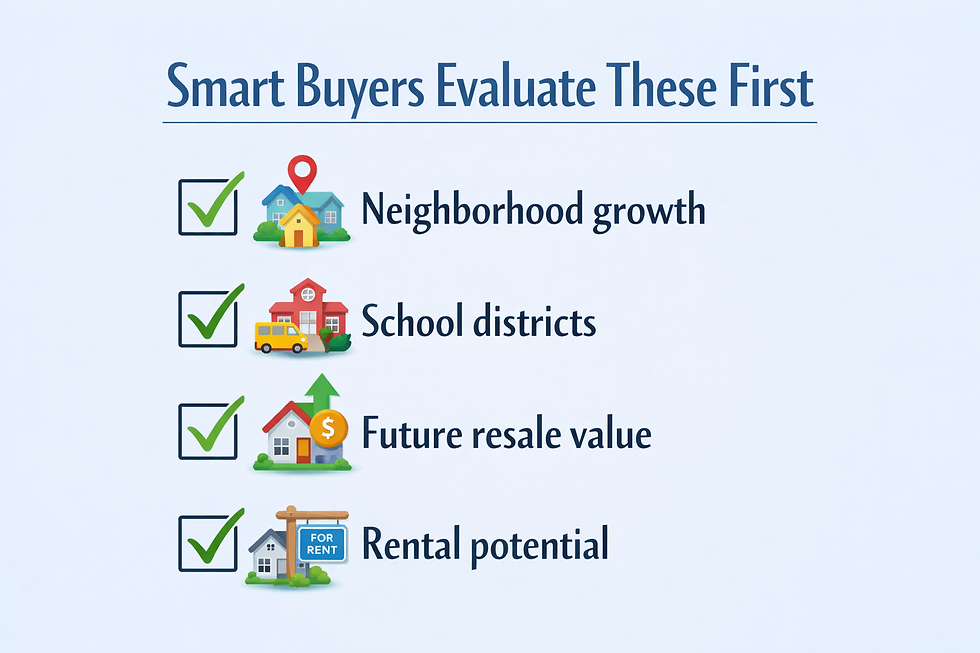
Factors such as neighborhood growth, school districts, future resale potential, and rental possibilities can all influence the long-term financial performance of your next property.
In other words, upgrading isn’t just about finding a bigger house—it’s about making a smarter real estate investment.

Step 5: Work With a Strategy, Not Just a Search
The biggest difference between a stressful move and a smooth upgrade is having a plan before you start looking at homes.
A clear strategy helps you:
Understand your financial position
Coordinate the sale and purchase timelines
Identify the right opportunities
Avoid costly mistakes during negotiations
When you approach the process with the right guidance, upgrading your home can become a calculated step forward rather than a risky leap.
Ready to Plan Your Move-Up Strategy?
If you’re thinking about upgrading your home and want to reduce financial and logistical risk, the first step is building a clear plan.
Book a consultation using the link in the bio and we’ll walk through your options, review your equity position, and map out the smartest strategy for your next move.


Comments